Keynote Sessions
Application of Power Electronics to Power Systems
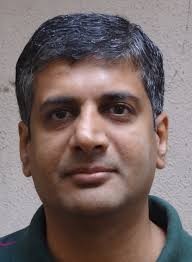
Prof. Anil. M. Kulkarni
Professor, Department of Electrical Engineering, IIT Bombay, Powai,Mumbai 400 076, India
Abstract
Power electronics plays a crucial role in modern power systems by enabling efficient conversion, control, a nd conditioning of electric power across generation, transmission, distribution, and end-user applications. Key applications include renewable energy integration (such as solar PV and wind systems), where power electronic converters (e.g., inverters, DC-DC converters) interface variable sources with the grid while ensuring maximum power point tracking (MPPT) and grid compliance. In flexible AC transmission systems (FACTS) and high-voltage direct current (HVDC) systems, power electronics devices like STATCOMs, SVCs, and VSCs enhance grid stability, control power flow, and improve voltage profiles. Power electronics also supports energy storage integration, electric vehicle (EV) charging infrastructure, microgrids, and distributed generation by providing bidirectional power flow and fast dynamic response. Additionally, advanced solid-state circuit breakers and smart transformers improve protection, efficiency, and controllability in smart grids. Overall, power electronics significantly enhances the flexibility, reliability, and efficiency of modern power systems, paving the way for a more sustainable and intelligent energy infrastructure.
Chargers & Charging Infrastructure and Its Compliance

Dr. Chandrasekar V
Scientist G, Senior Director,Power Electronics Group, Centre for Development of Advanced Computing,Thiruvananthapuram - 695 033
Abstract
This session provides an overview of electric vehicle (EV) chargers and charging infrastructure, with a focus on standards, safety, and regulatory compliance. Topics include charger classifications (AC, DC fast charging), communication protocols, interoperability, and grid integration. The session also highlights national and international compliance frameworks, testing and certification requirements, and emerging challenges in ensuring reliability, safety, and scalability of charging networks.
Bringing Hybrid Electric Flight to Reality

Mr. V Pradeep
Principal Engineer, GE Aerospace Research, Bengaluru
Abstract
Hybrid electric propulsion systems are one of the key technologies the industry is advancing for the future of flight, optimizing engine performance, reducing fuel usage and emissions, and being compatible with alternative fuels. GE Aerospace has been developing hybrid electric technologies for over a decade, building on our world-class expertise in propulsion and electrical power generation systems. By leveraging our expertise in both traditional gas turbine engines and electrical systems, GE Aerospace is pioneering scalable hybrid electric solutions that will shape the next era of aviation. Join us as we delve into the technical challenges, strategic initiatives.
Application of Power Electronics in the Manned Submersible MATSYA 6000 being developed by the National Institute of Ocean Technology, Chennai.
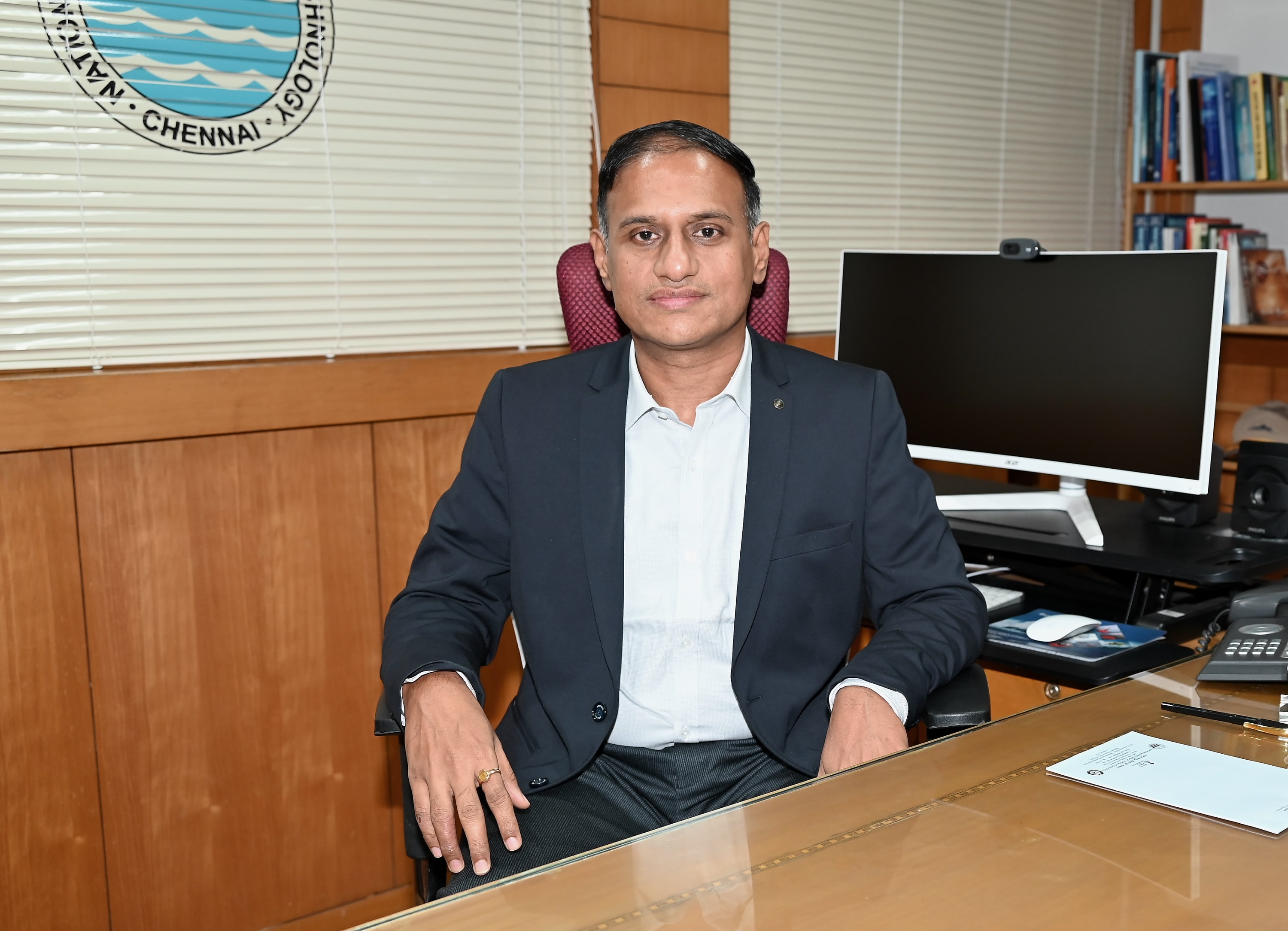
Prof. Balaji Ramakrishnan
National Institute of Ocean Technology (NIOT), Ministry of Earth Sciences, Government of India, Velachery Tambaram Main Road, Chennai 600100, India
Abstract
National Institute of Ocean Technology (NIOT) Chennai is the technical arm of the Ministry of Earth Sciences (MoES), Govt. of India with the mandate to develop reliable indigenous technologies for the sustainable utilization of Ocean resources. As part of the Deep Ocean Mission (DoM) under the MoES, NIOT is now developing a scientific research Manned submersible MATSYA 6000 capable of taking 3 human beings up to the depth of 6000 m. MATSYA 6000 will have capability to conduct deep ocean resource explorations, scientific observations and sample collection, support rescue activities etc. The vehicle will be having an operational endurance of 12 hours at 6000 m depth and emergency endurance of 96 hours. The critical components include Personnel sphere/ human capsule for human occupation, life support system, Batteries and power distribution system, Navigation and control system, Ballast and Trim system, Propulsion system, Power and Signal penetrators and cables, Scientific sensors and sampling systems etc.
Power Electronics plays a vital role in MATSYA 6000 as the application of the same is utilized in critical systems like Batteries and power distribution, Ballast and Trim, Propulsion and sampling devices etc. BLDC Motor drives, DC-DC Converters, Power Diodes and Solid state relays of different capacities are used in the system. As most of the Power Electronics devices are designed for land based applications, adapting the same for under water applications is quite challenging, especially when the components needs to be operated in Pressure balanced - oil filled (PBOF) environment. Special test protocols are followed for the qualification of such components.
Photonic Power Electronics
Dr. Sudip K Mazumder
Department of Electrical and Computer Engineering, College of Engineering, University of Illinois Chicago (UIC), Chicago, IL, USA
Abstract